Волк / Қасқыр / Gray Wolf
Canis
lupus
Find species
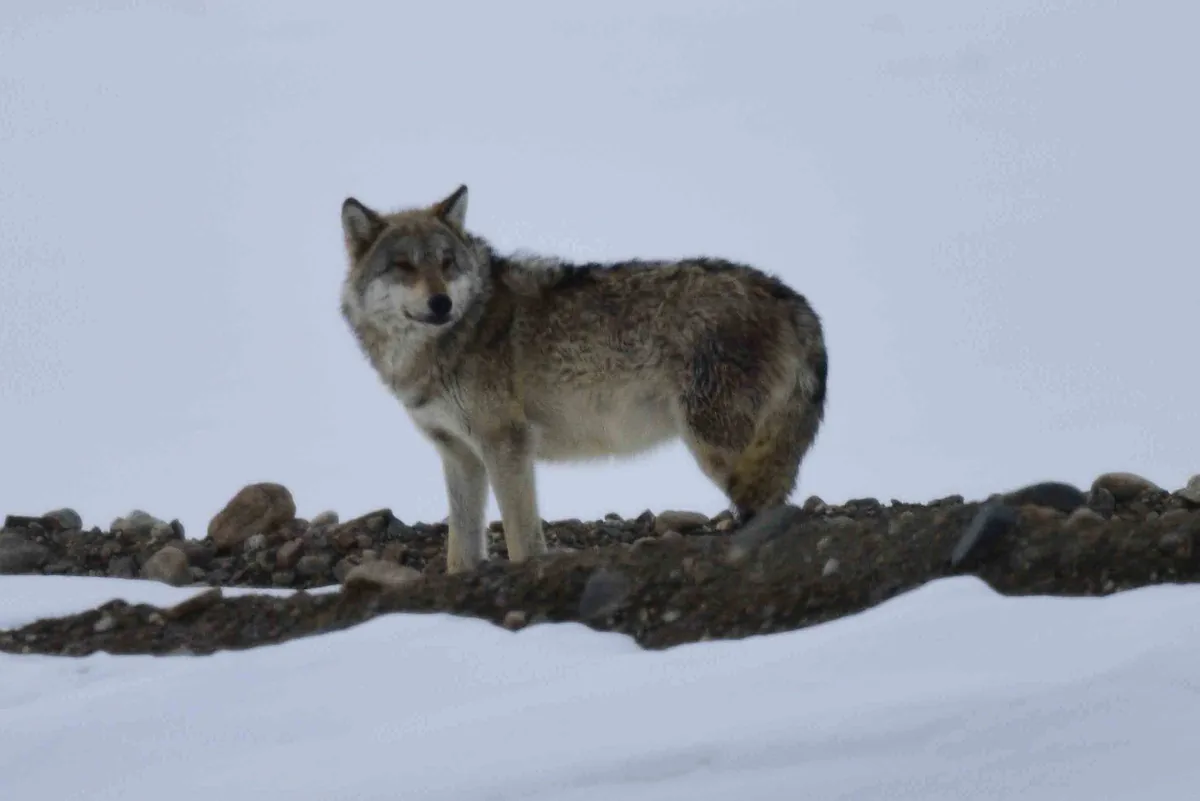
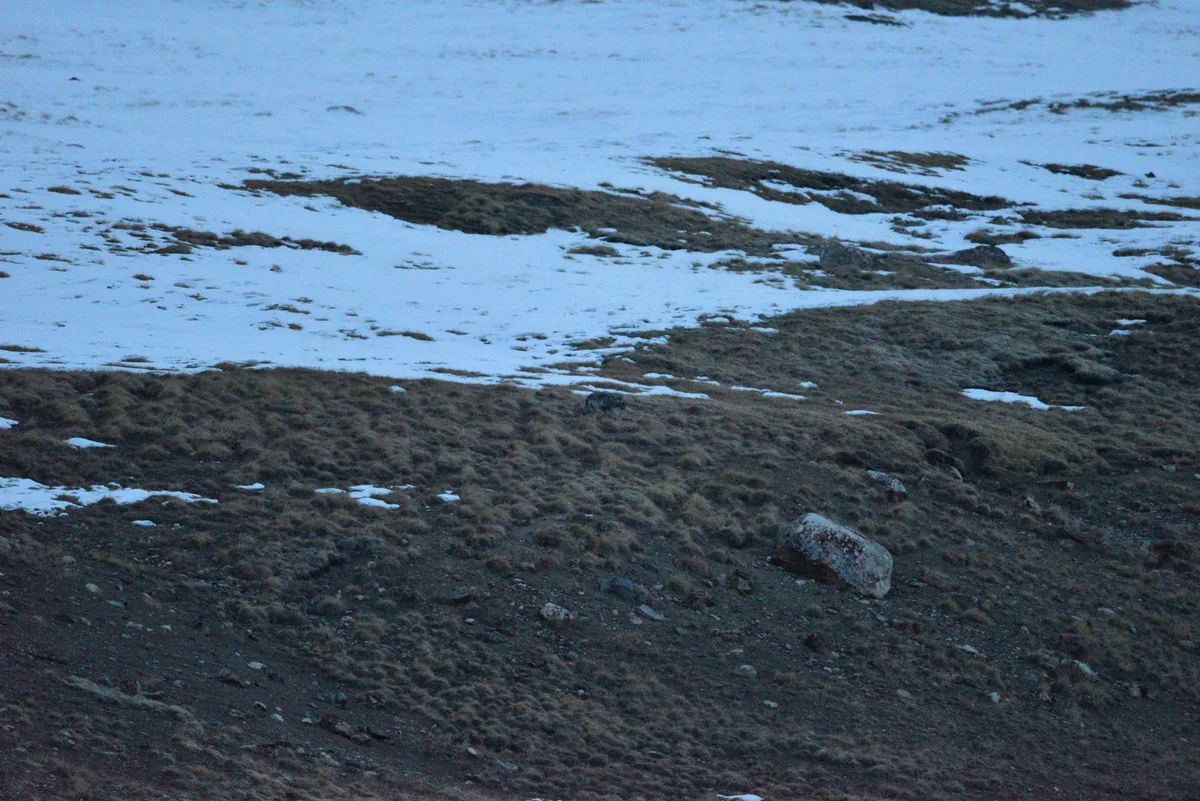
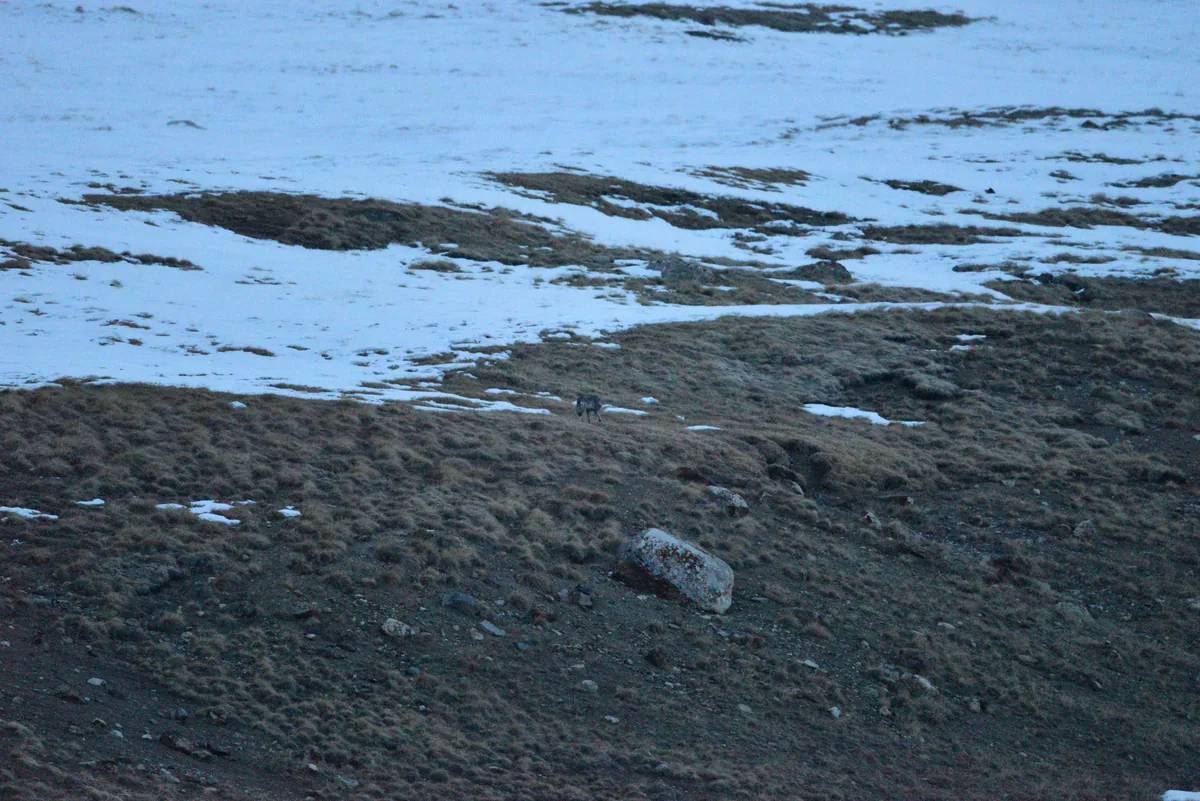
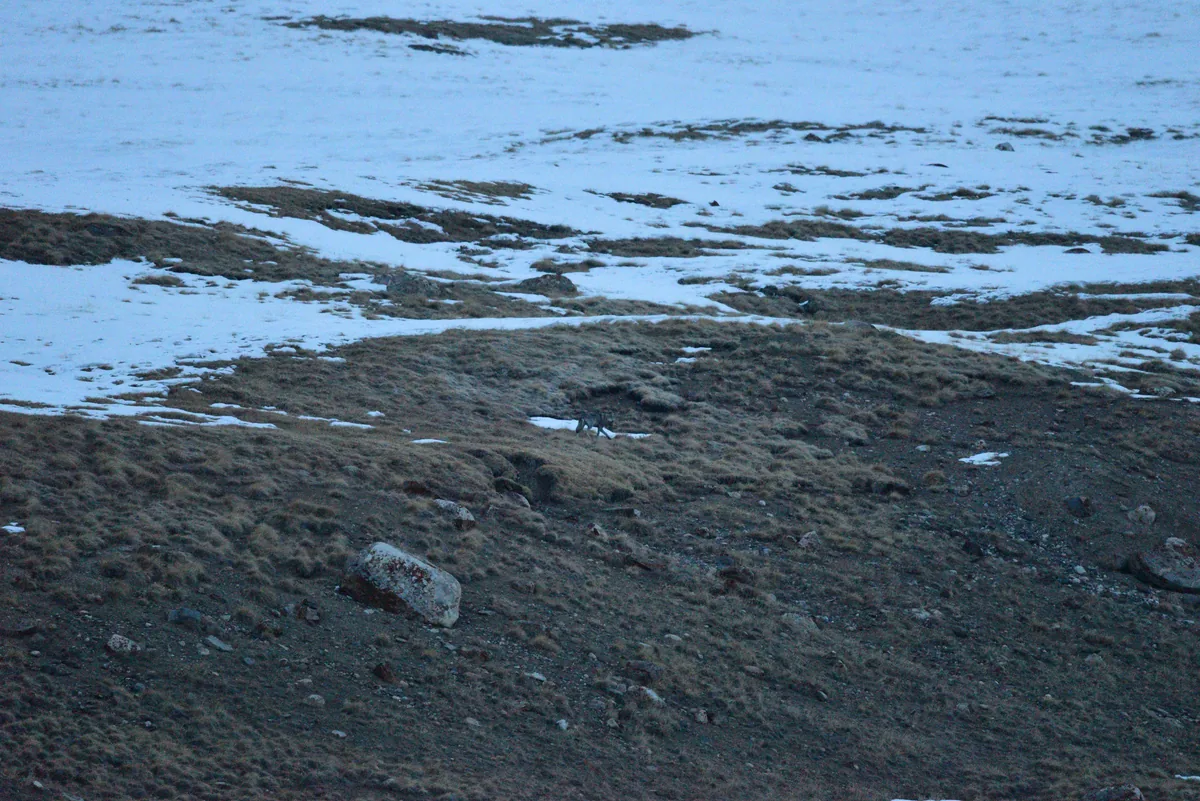
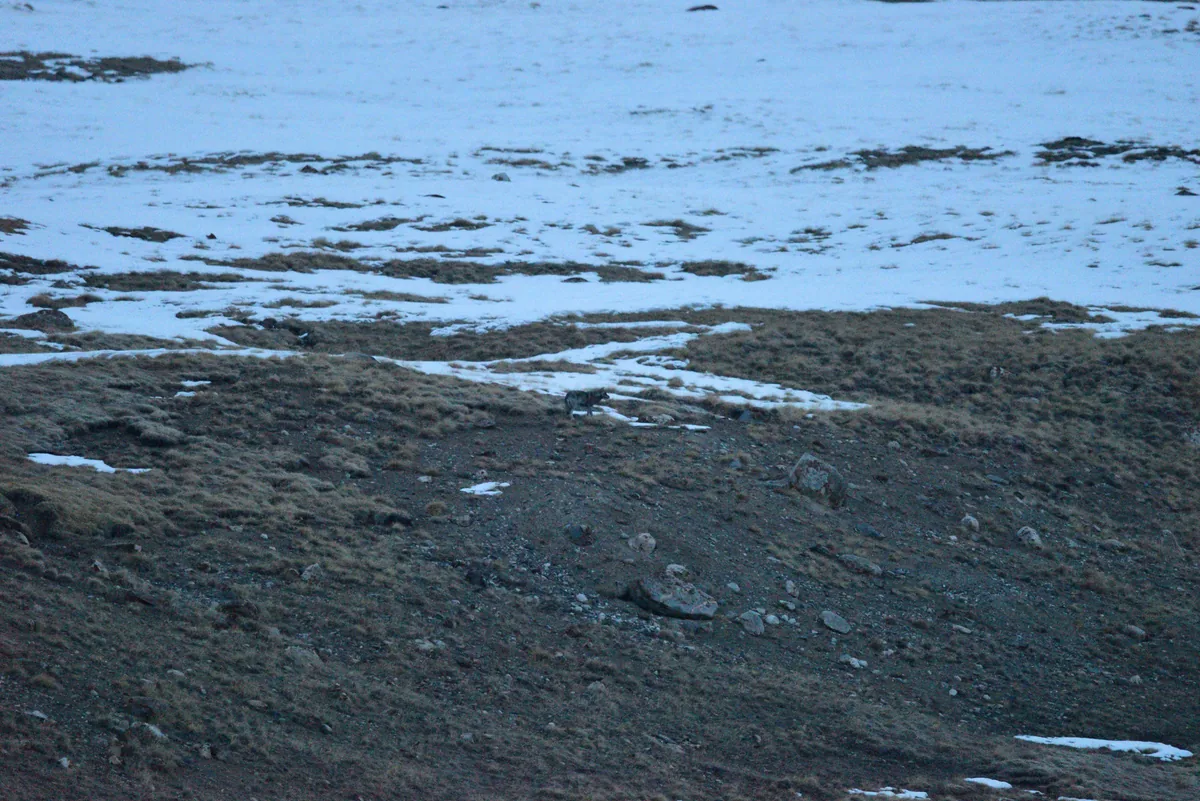
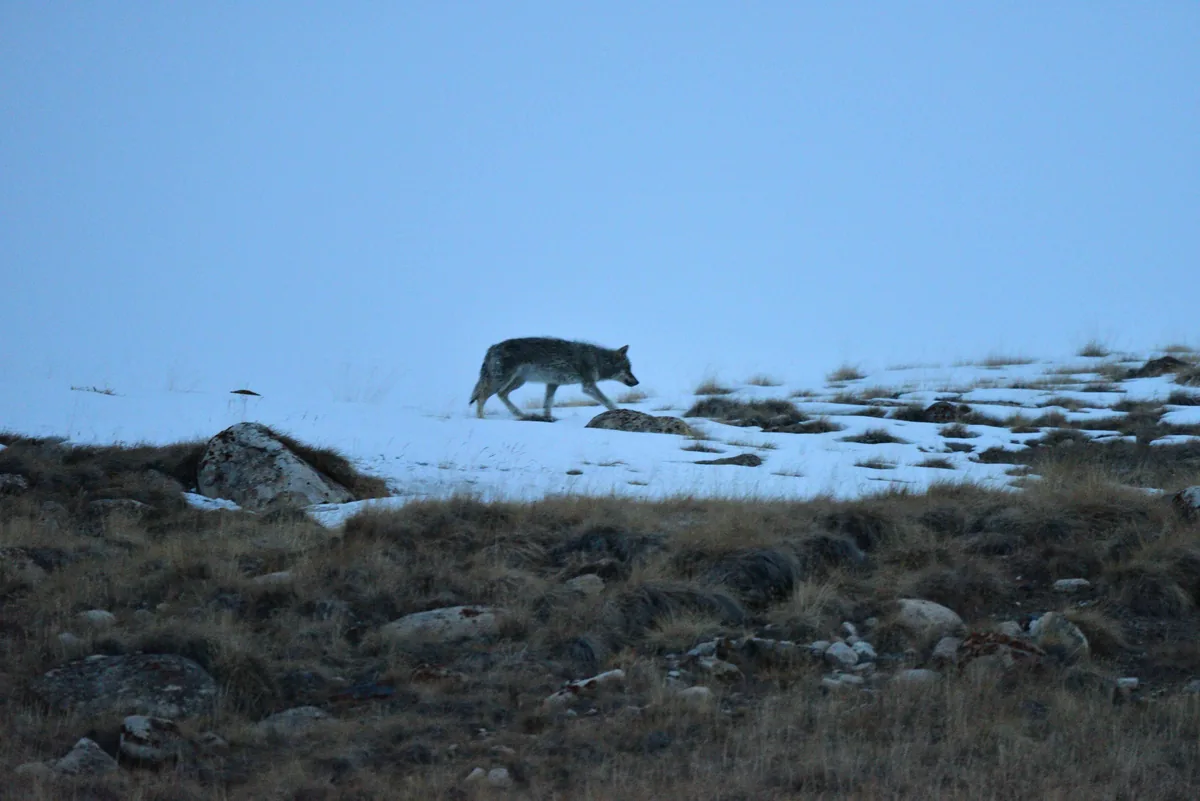
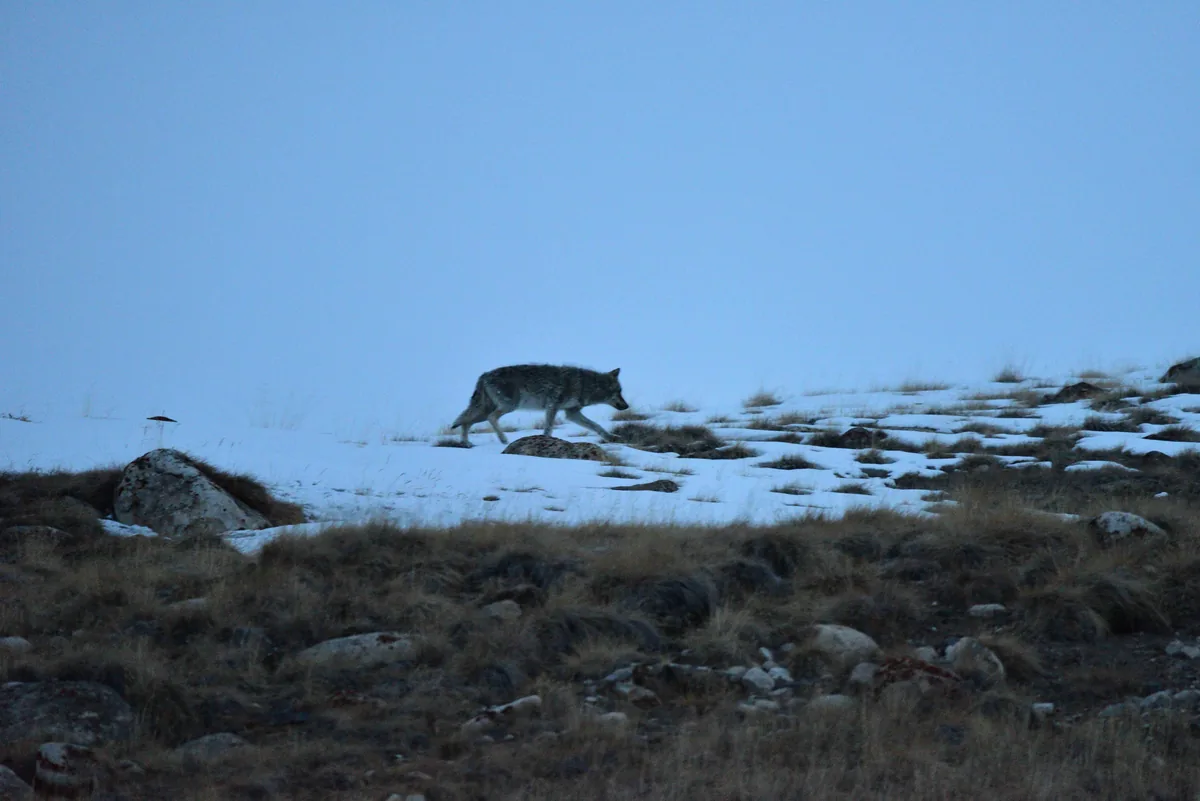
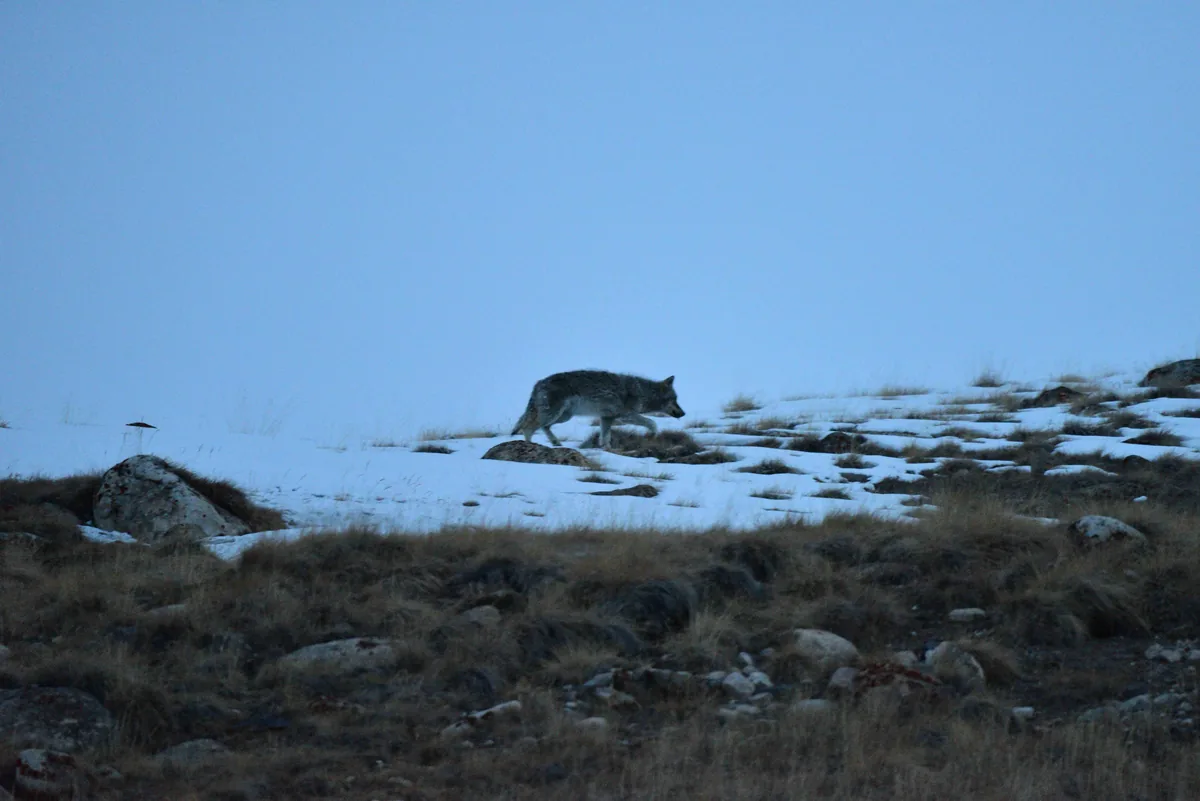
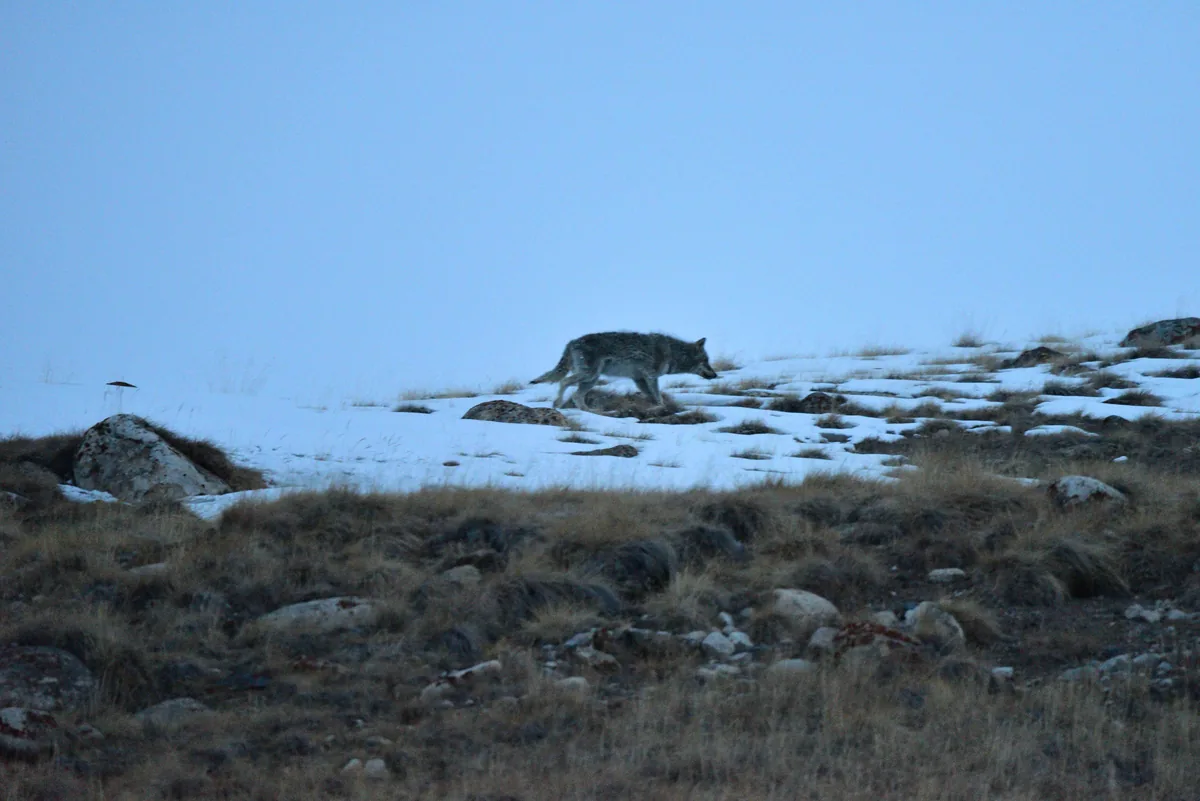
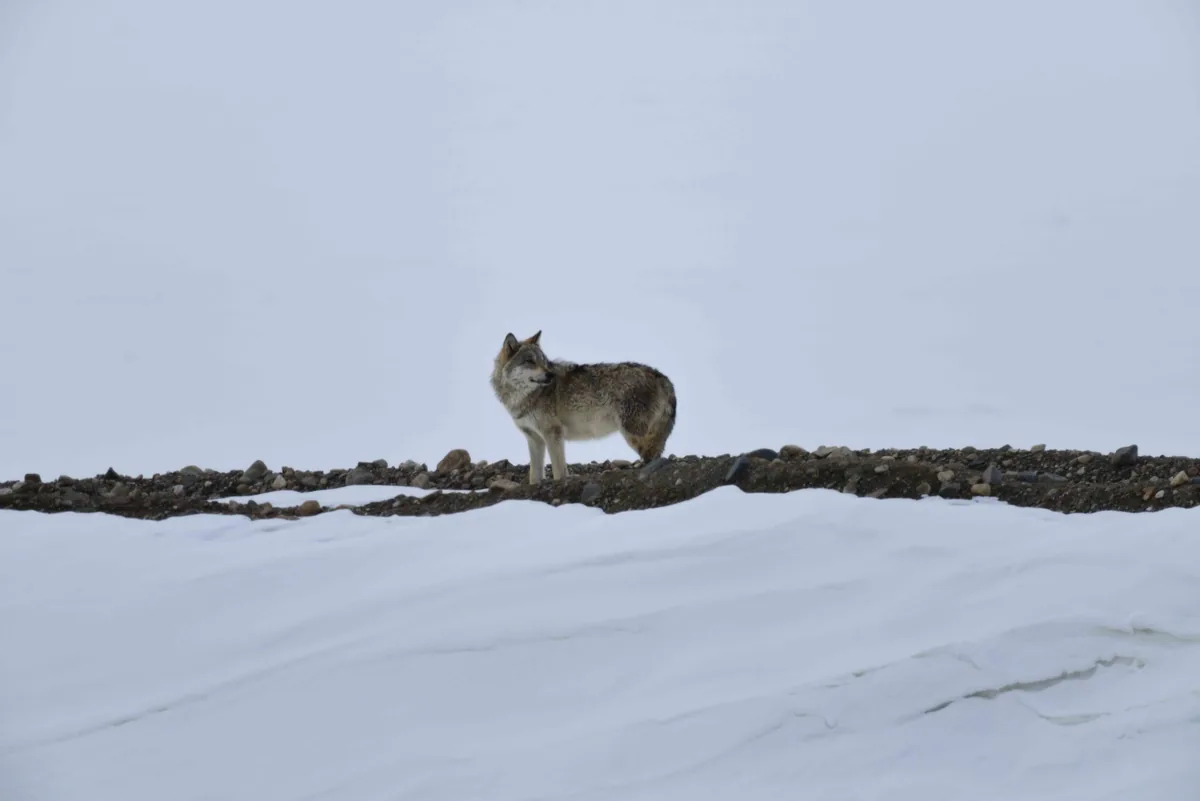
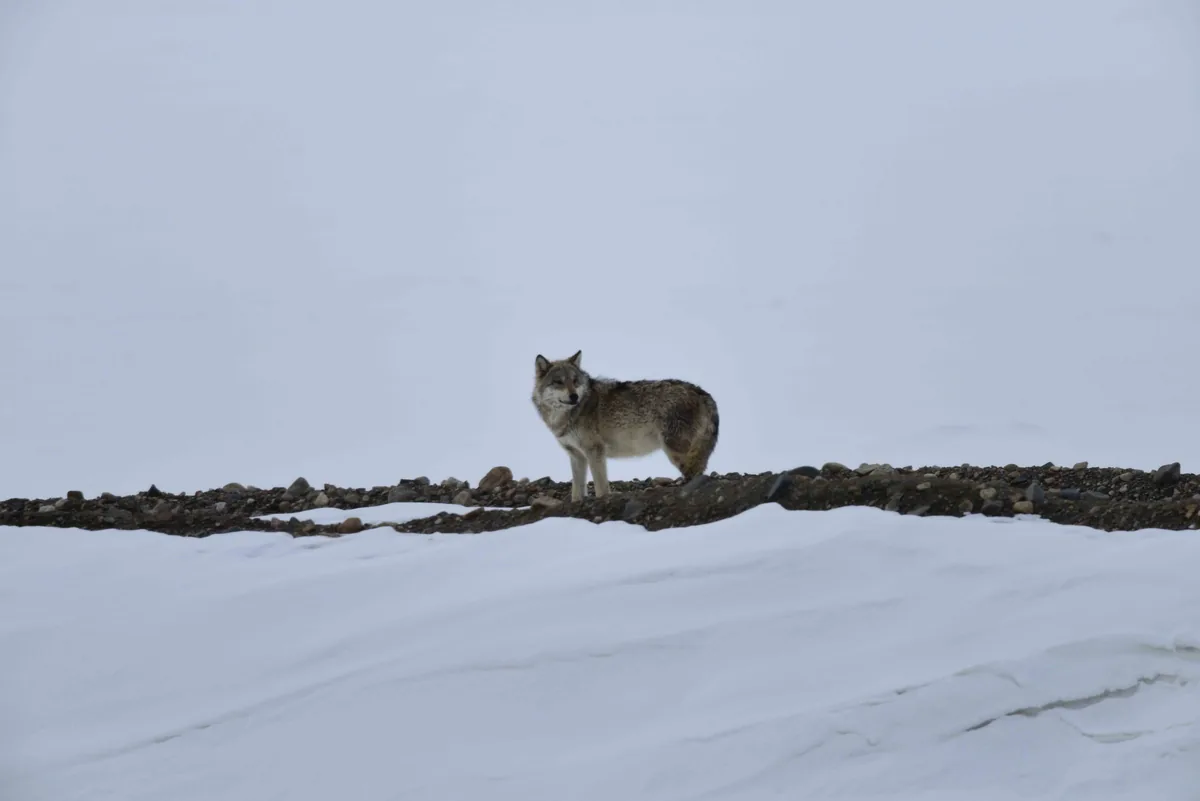
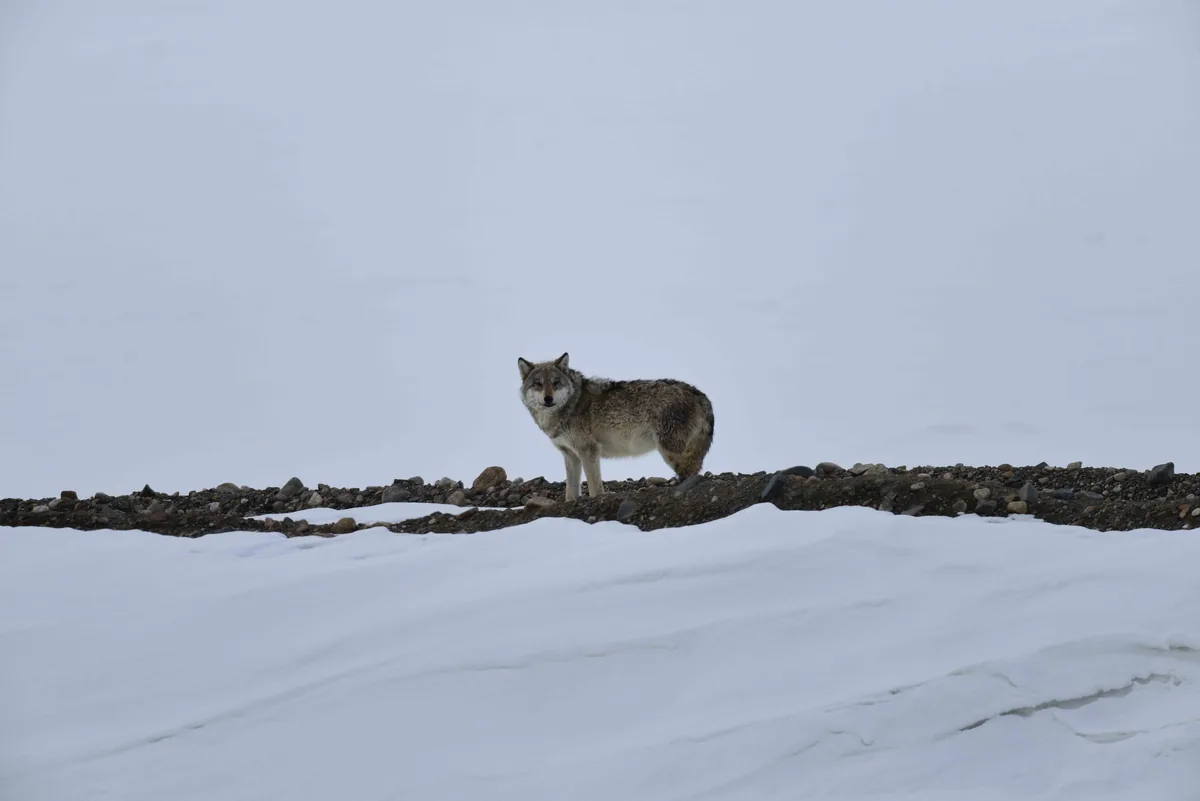
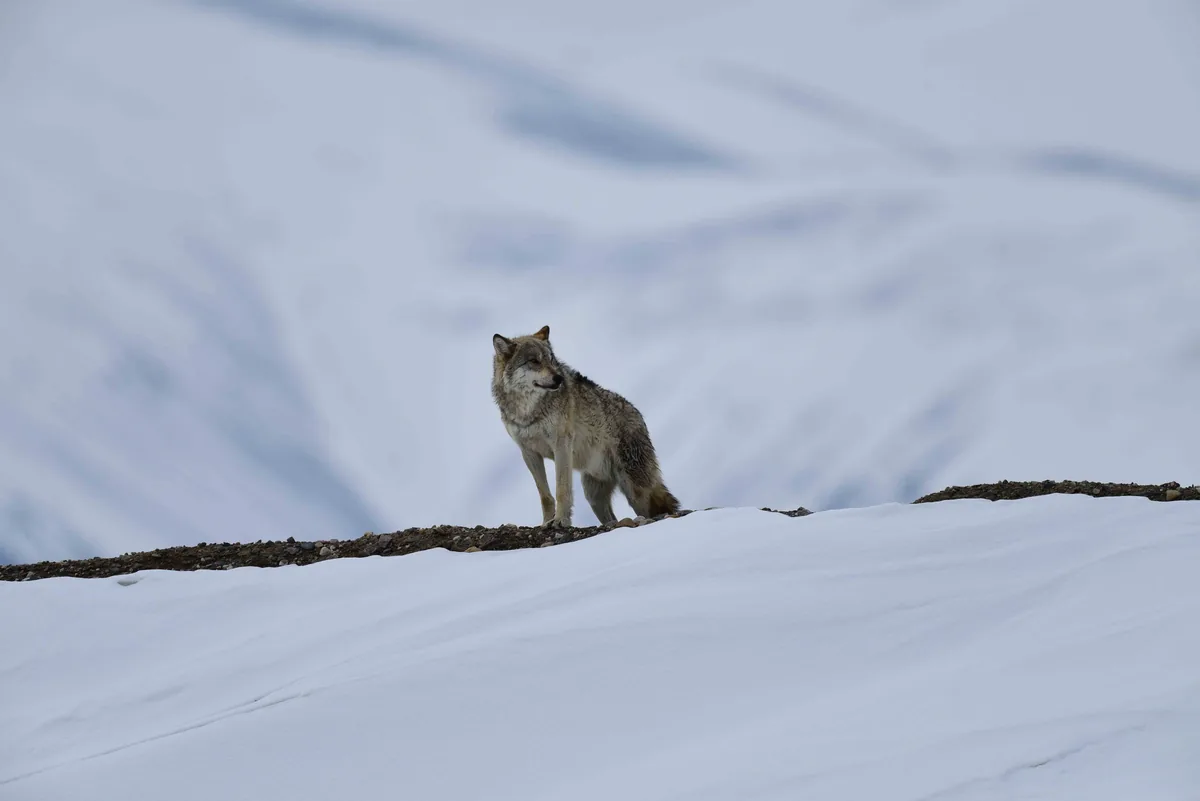
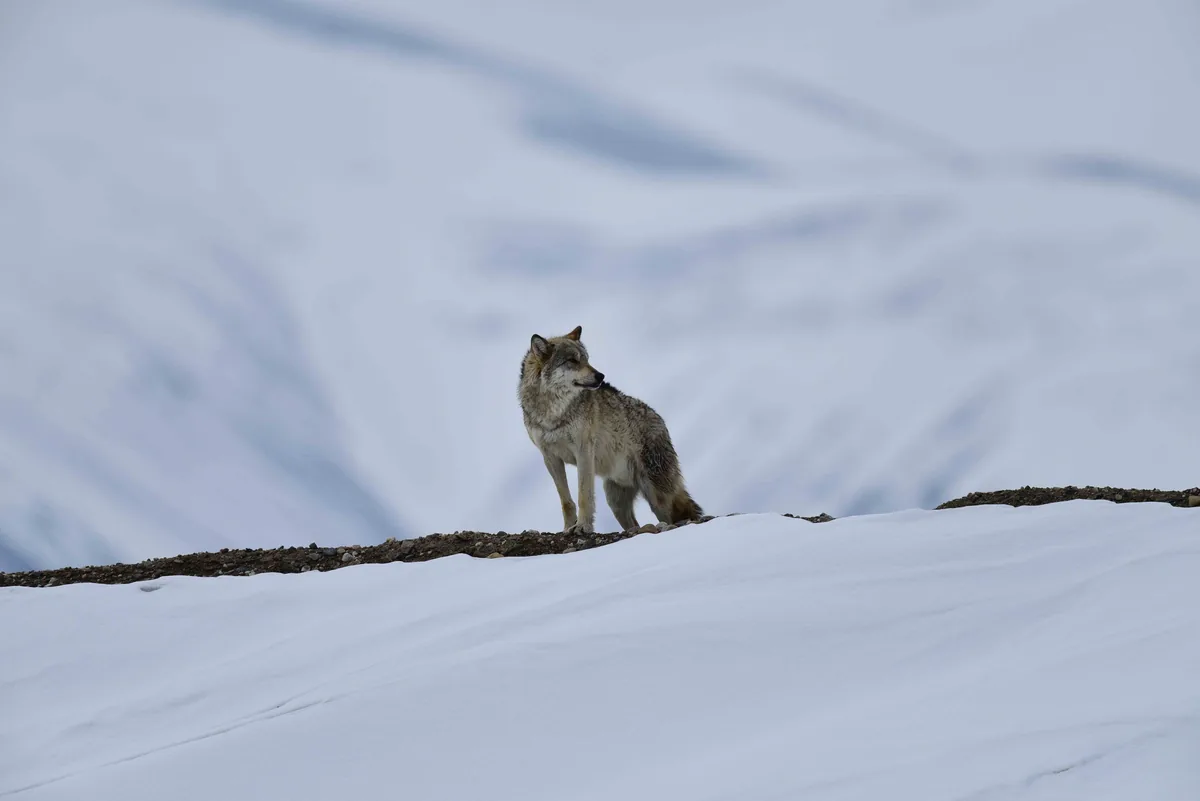
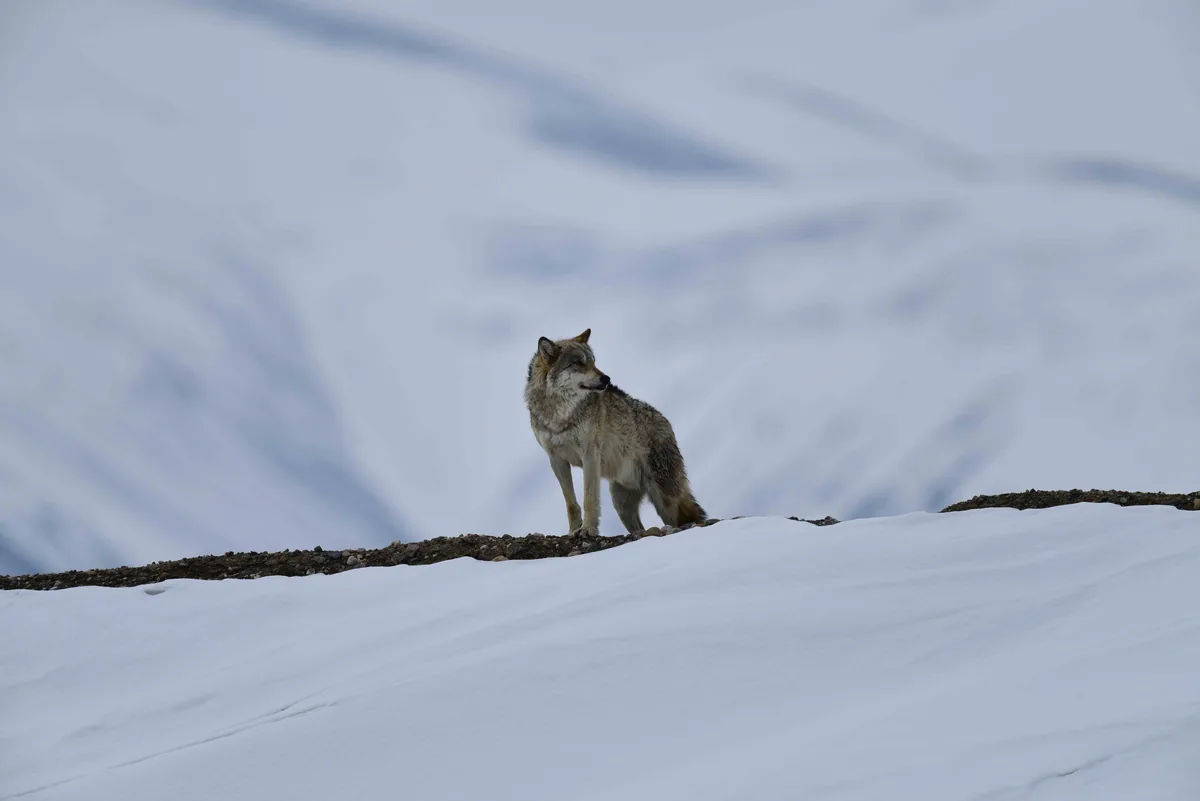
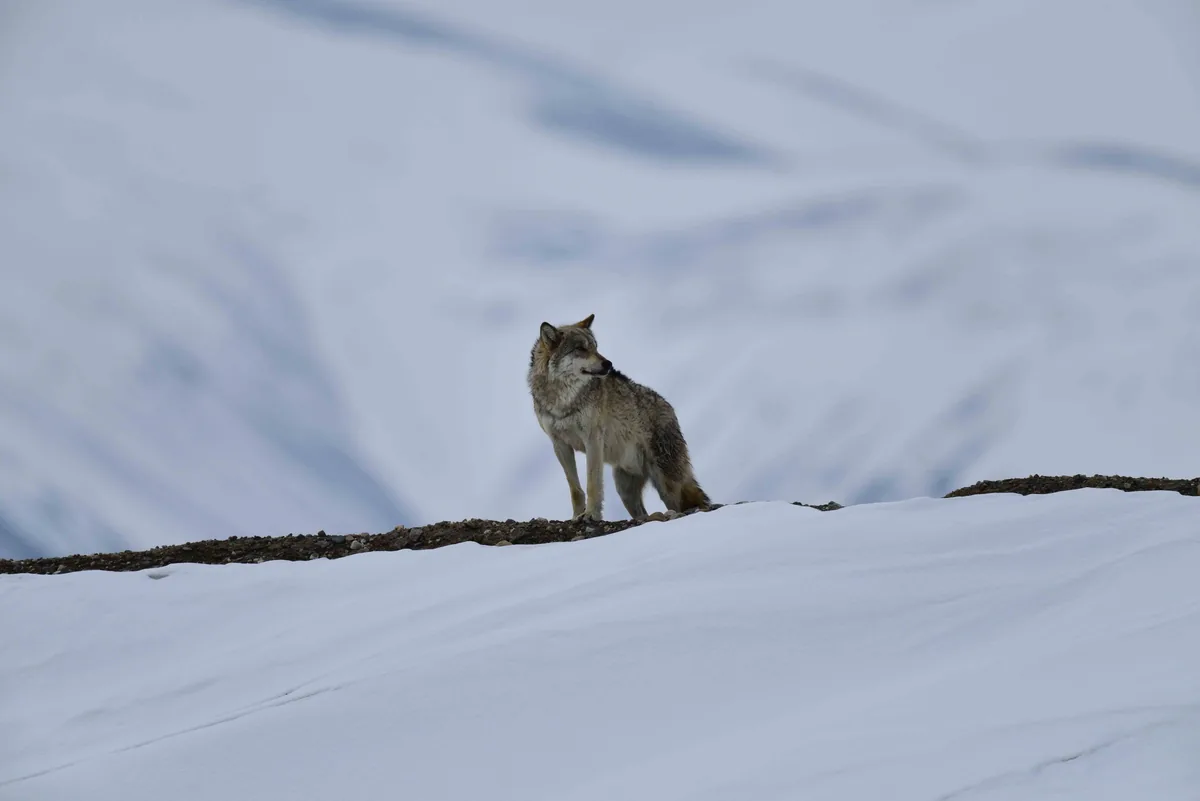
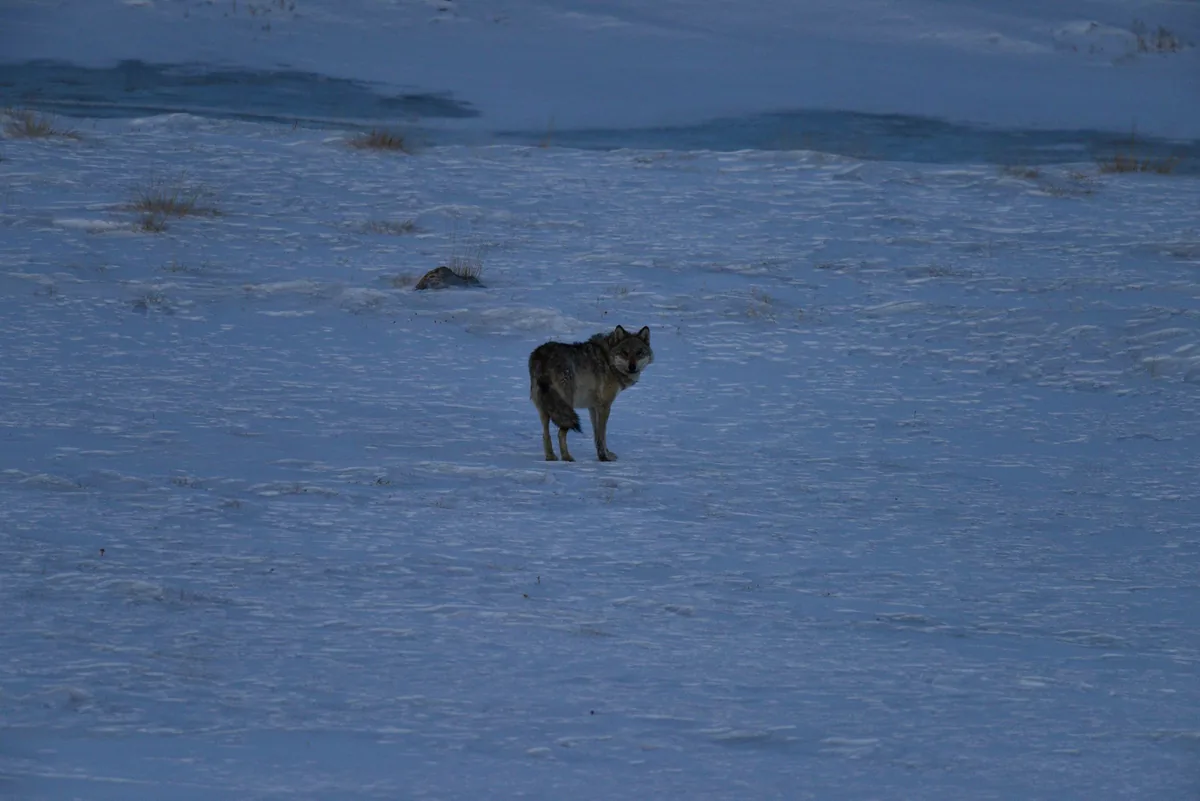
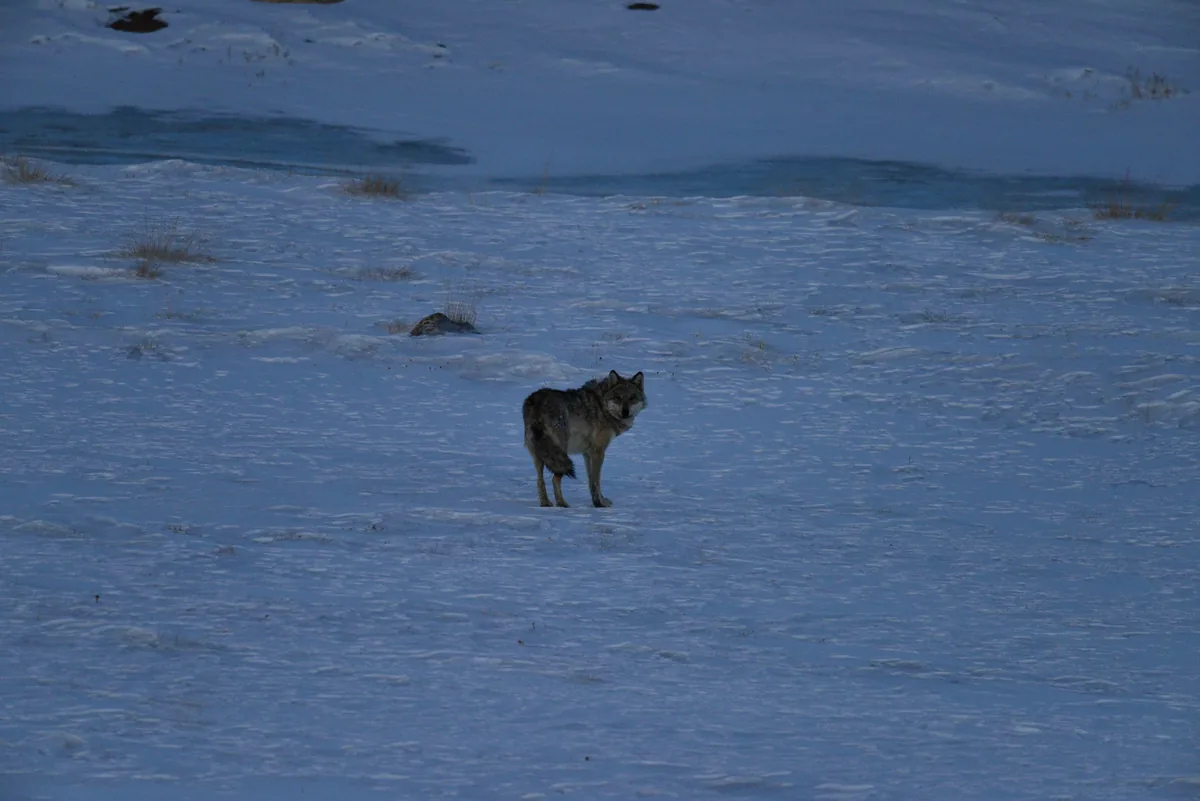
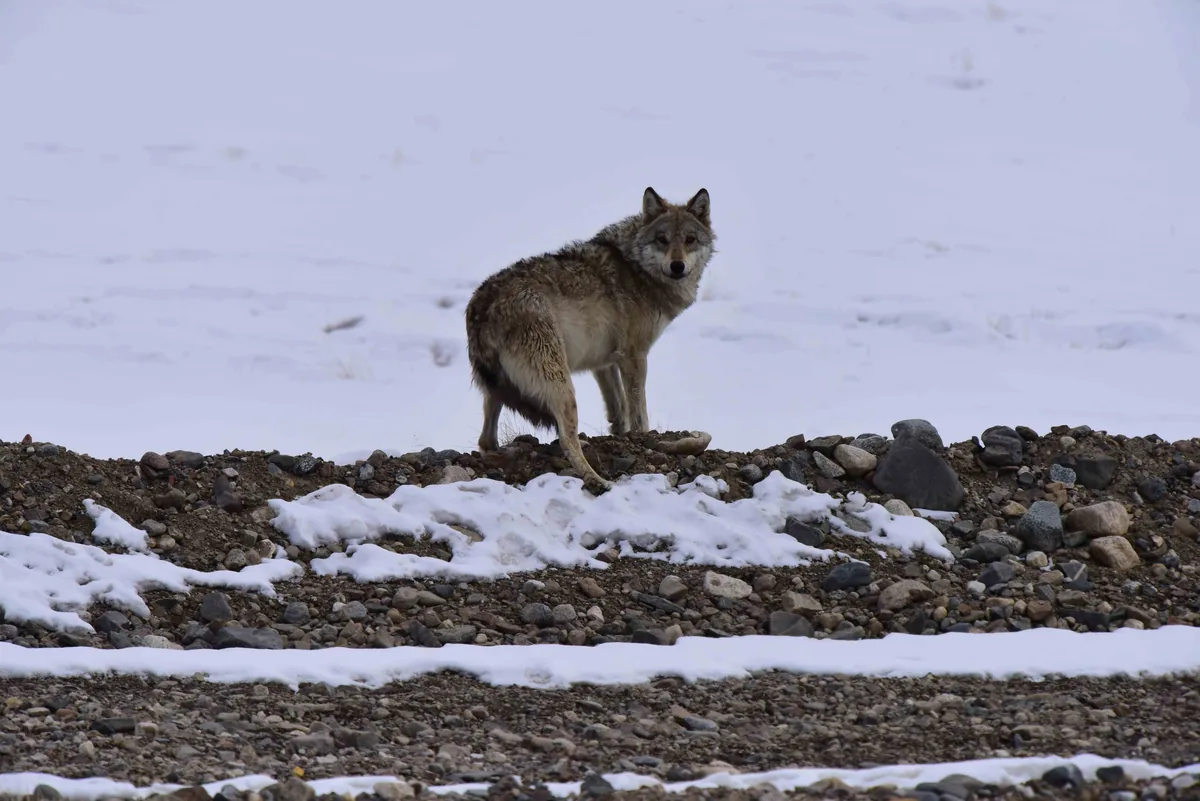
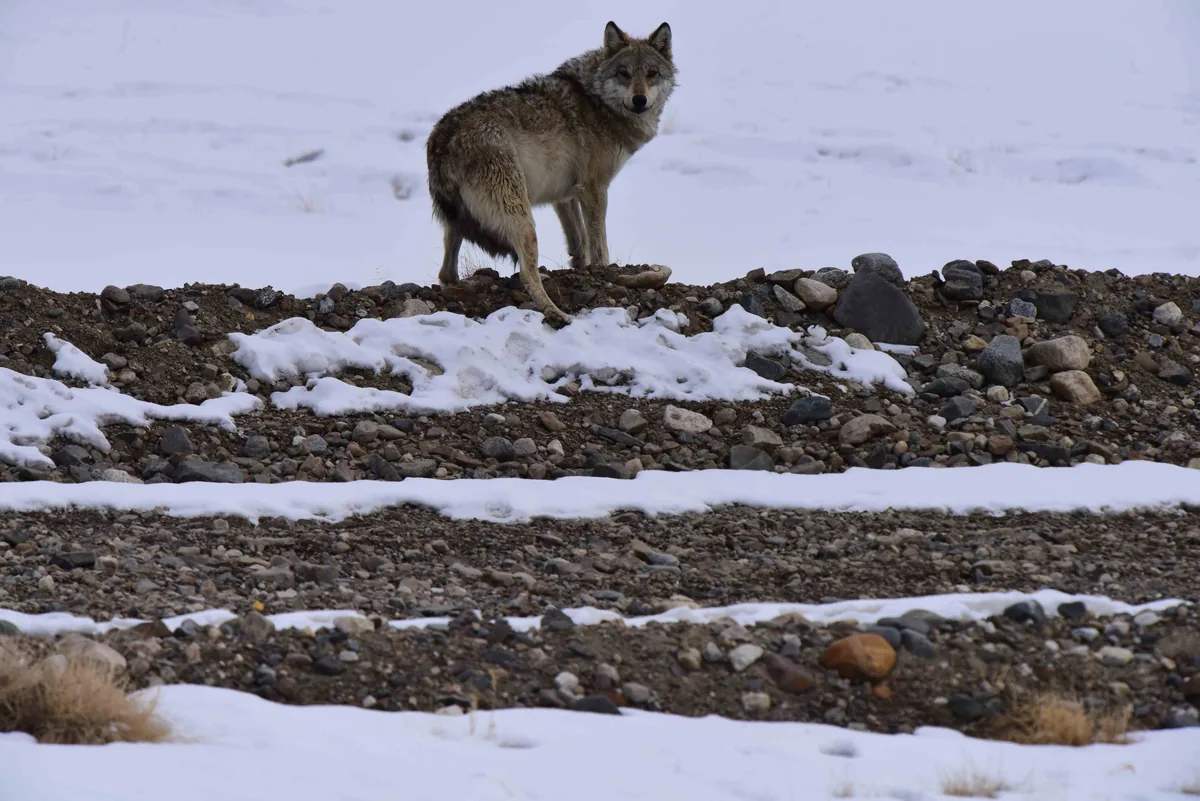
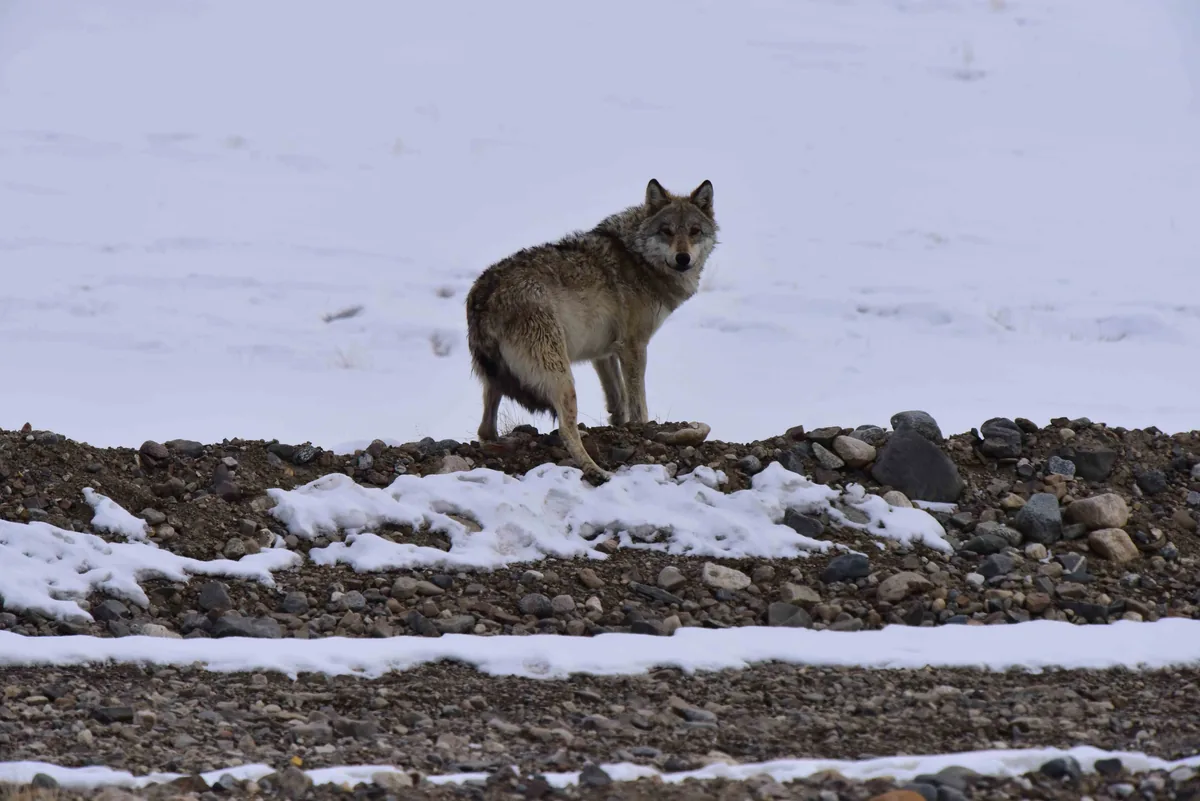
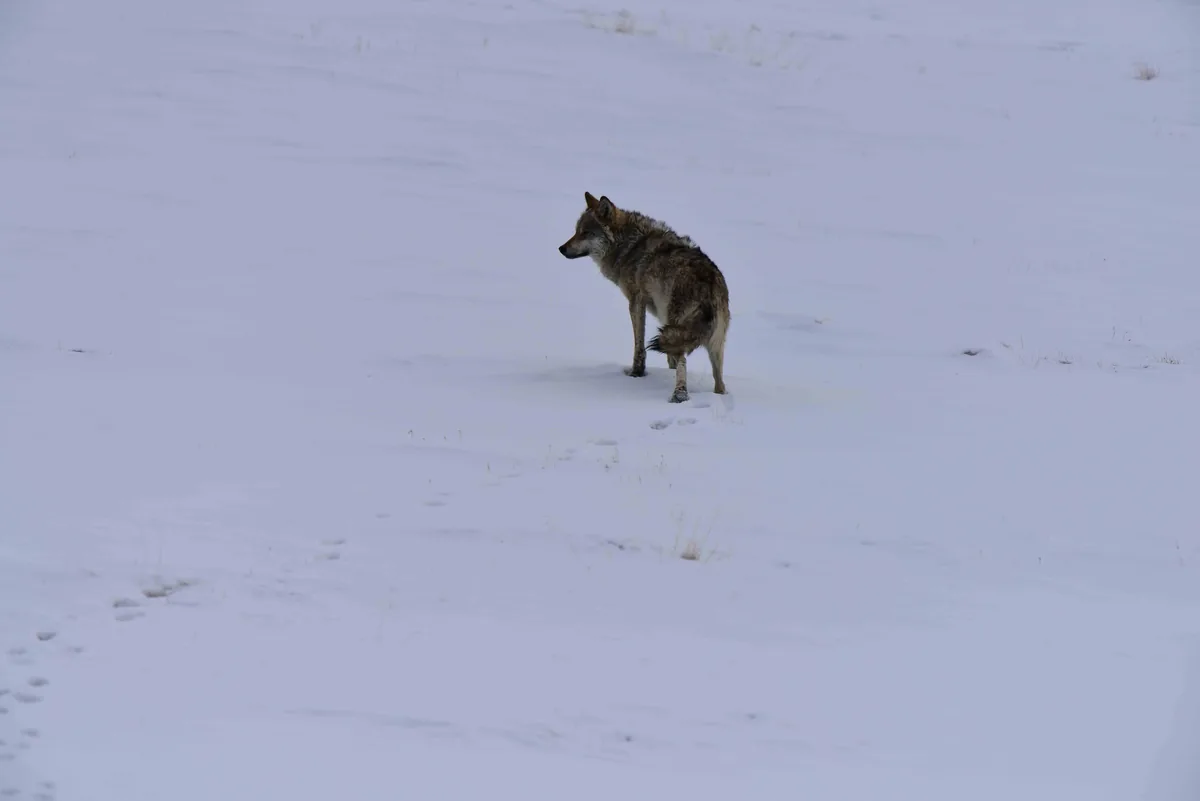
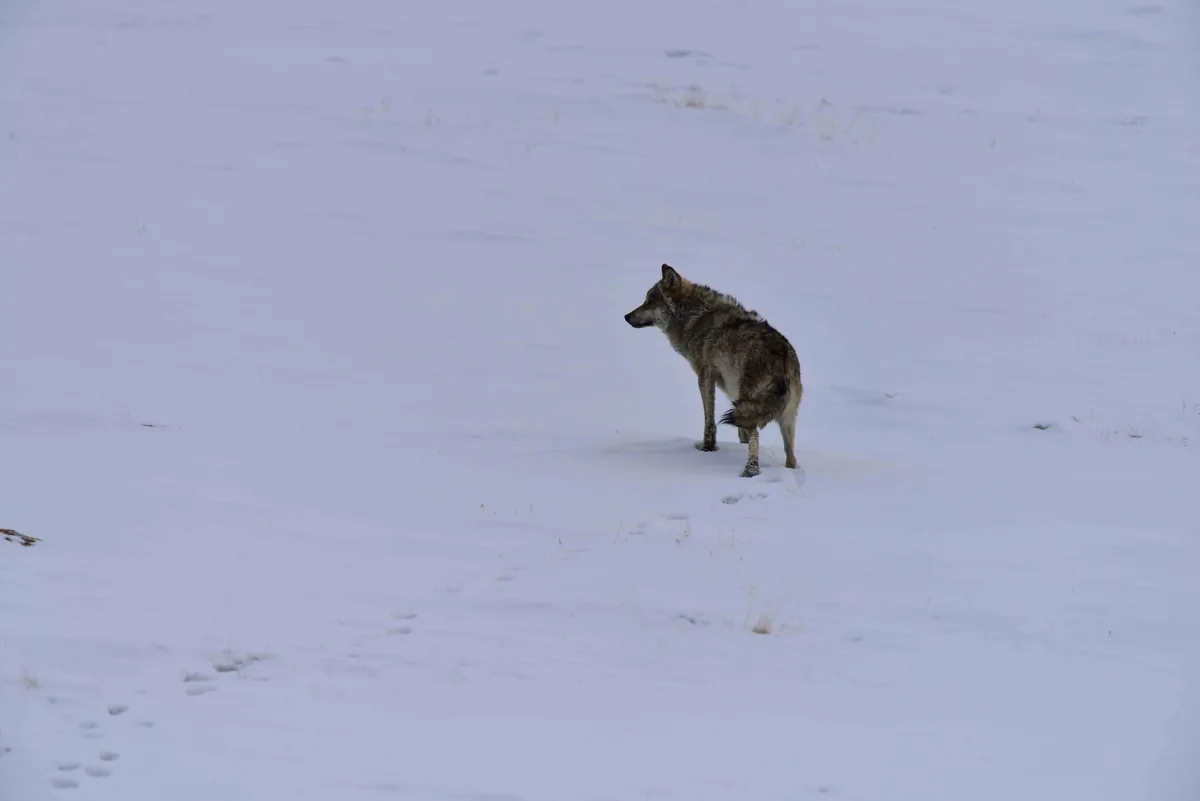
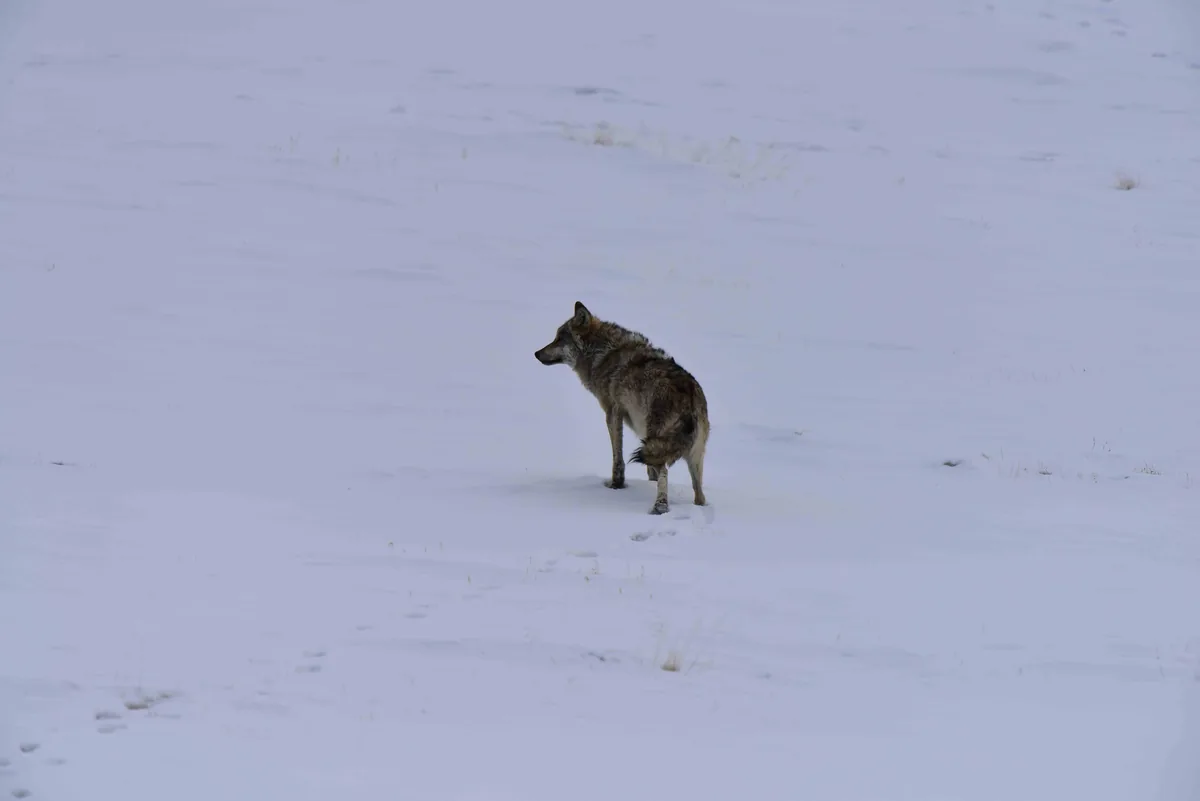
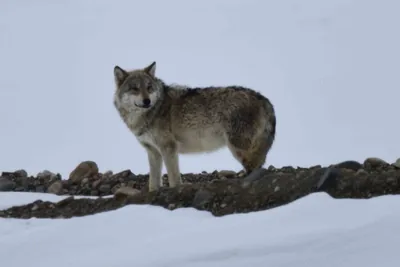
The wolf is medium-sized, weighing 30-40 kg, with males much larger than females. Its large head has a broad forehead, elongated muzzle and powerful jaws. The ears are small, triangular and pointed; the tail large and bushy. Claws are blunt and non-retractile. Fur is light gray, sometimes strongly reddish, and much denser in winter. A dark stripe runs along the spine. The dentition is powerful, with massive carnassials and strong canines. From a distance, it resembles a large dog. The straight tail usually hangs down. Tracks resemble dog tracks but are narrower, with less splayed toes. Droppings often contain hair. Smell, hearing and vision are well developed. Wolves produce various howls and sometimes bark like dogs.
The wolf's range covers Europe, Asia and North America; it has been exterminated in most countries of Western Europe.
In Kazakhstan, the wolf is distributed throughout lowland and mountainous regions, but its distribution is uneven, depending on food abundance and the availability of water bodies. In the Kungey Alatau, it occurs throughout the Kazakhstani part of the range.
Wolves inhabit forests, mountains, steppes, semideserts, deserts, riparian woodland and reed beds. In the mountains, they occur from the foothills through the alpine belt, at 1000 to 3000 m above sea level. In dry treeless mountains, they settle along gully bottoms with shrubs and deciduous trees, near springs. In the Balkhash region, they live in riparian woodland, reed beds and stabilized hummocky sands near water.
Within the national park, wolves occur in all mountain belts, from the foothills to glaciers. Coniferous and deciduous forests, shrub thickets and narrow inaccessible gorges provide shelter. Dens are usually made in such places near water. Wolves sometimes dig their own burrows but more often enlarge badger or fox burrows. In snowy winters, they descend after ungulates and remain near mountain bases where livestock grazes. They are mainly active at night and twilight, often also by day. In spring and summer, they stay closer to the den; in winter, they move within the pack's hunting territory. Main foods are wild and domestic ungulates: maral, roe deer, wild boar, cattle, horses, sheep and goats; less often ibex, marmots in summer, hares, badgers, mouse-like rodents and birds. They hunt alone or in packs, using stalking, ambush, prolonged pursuit and drives. By early autumn, growing cubs join their parents in hunts. Packs usually contain 6-10 animals: the breeding pair, current-year cubs and surviving yearlings that rejoin when the cubs grow. Several packs sometimes unite, reaching 20-30 or more, especially on plains. Howling communicates among pack members. Wolves howl at any time, especially morning and evening, before hunting, beside prey and sometimes upon encountering humans. Packs mark territories with urine, feces and ground scratches. A pack in the Asy tract of the Trans-Ili Alatau occupied roughly 10x15 km; territory size apparently depends on food. Females mature at 22 months. Mating occurs in February–March, and gestation lasts 62-63 days. There is one annual litter of 2-12 cubs, usually 5-6. Apart from humans, wolves have essentially no enemies. Snow leopards may compete to a limited extent. Jackals, foxes, raptors, magpies and crows consume wolf-kill remains, depriving wolves of stored food and forcing them to hunt again.
At present, wolf numbers in Kazakhstan are high, at about 35-37 thousand.
| Phylum: | Chordata |
| Class: | Mammalia |
| Subphylum: | Carnivora |
| Family: | Canidae |
| Род: | Canis |
| species: | Canis lupus |
Protected status of a species:
-
International protected status of a species:
Listed on the IUCN Red List as Least Concern (LC).
Categories of species:
Species whose numbers are subject to regulation to protect public health, prevent diseases in agricultural and other domestic animals, prevent environmental damage and avert the risk of substantial damage to agricultural activities
*In 2026 year on this portal you can find information about animals of the mountain territories of the Northern and Western Tien Shan and the arid territories of the Balkash-Alakol Bay.
In the future, the portal will be updated with information on other regionsof the Republic of Kazakhstan.